Schnelle Antwort: Überprüfung von Swindlerbuster und anderen Single-App-Cheater-Scannern. Entdecken Sie, warum sie scheitern und wie CheatSpyder eine überlegene Alternative für mehrere Netzwerke bietet.
Wenn sich Misstrauen in eine Beziehung einschleicht, ist die emotionale Belastung immens. Sie wollen Antworten, Klarheit und vor allem die Wahrheit. Bevor Sie sich mit der digitalen Forensik befassen, ist es wichtig, die [größten Warnsignale in Ihrer Beziehung] (/blog/biggest-red-flags-in-a-relationship) zu erkennen, um eine grundlegende Verständnisbasis zu schaffen. Bei Ihrer verzweifelten Suche nach digitaler Verifizierung sind Sie wahrscheinlich auf Tools gestoßen, die als „Cheater-Scanner“ oder „Tinder-Profilsuche“ vermarktet werden. Diese Tools versprechen, das Internet zu durchsuchen und versteckte Dating-Aktivitäten aufzudecken.
Unter diesen Diensten erfreuen sich Swindlerbuster (manchmal auch als swanglerbuster gesucht) und ähnliche Single-App-Scraper wie Cheaterscanner oder Swipebuster großer Beliebtheit. Sie bieten eine scheinbar einfache Lösung: Finden Sie heraus, ob Ihr Partner auf Tinder ist. Aber wenn Ihr Seelenfrieden und die Zukunft Ihrer Beziehung auf dem Spiel stehen, ist es ein großes Risiko, sich auf ein rudimentäres Schaberwerkzeug zu verlassen. In diesem umfassenden Test untersuchen wir genau, wie Swindlerbuster und seine Alternativen funktionieren, welche technischen Einschränkungen sie haben und warum moderne digitale Fußabdruckprüfungen der einzige zuverlässige Weg sind, die Wahrheit aufzudecken.
Was ist Swindlerbuster und wie funktioniert es?
Um die Genauigkeit dieser Dienste zu verstehen, müssen wir zunächst unter die Haube schauen. Swindlerbuster und ähnliche Tools (wie Swipebuster oder Cheaterscanner) fungieren als Single-Network-API-Scraper.
Ihr Funktionsmechanismus ist relativ einfach:
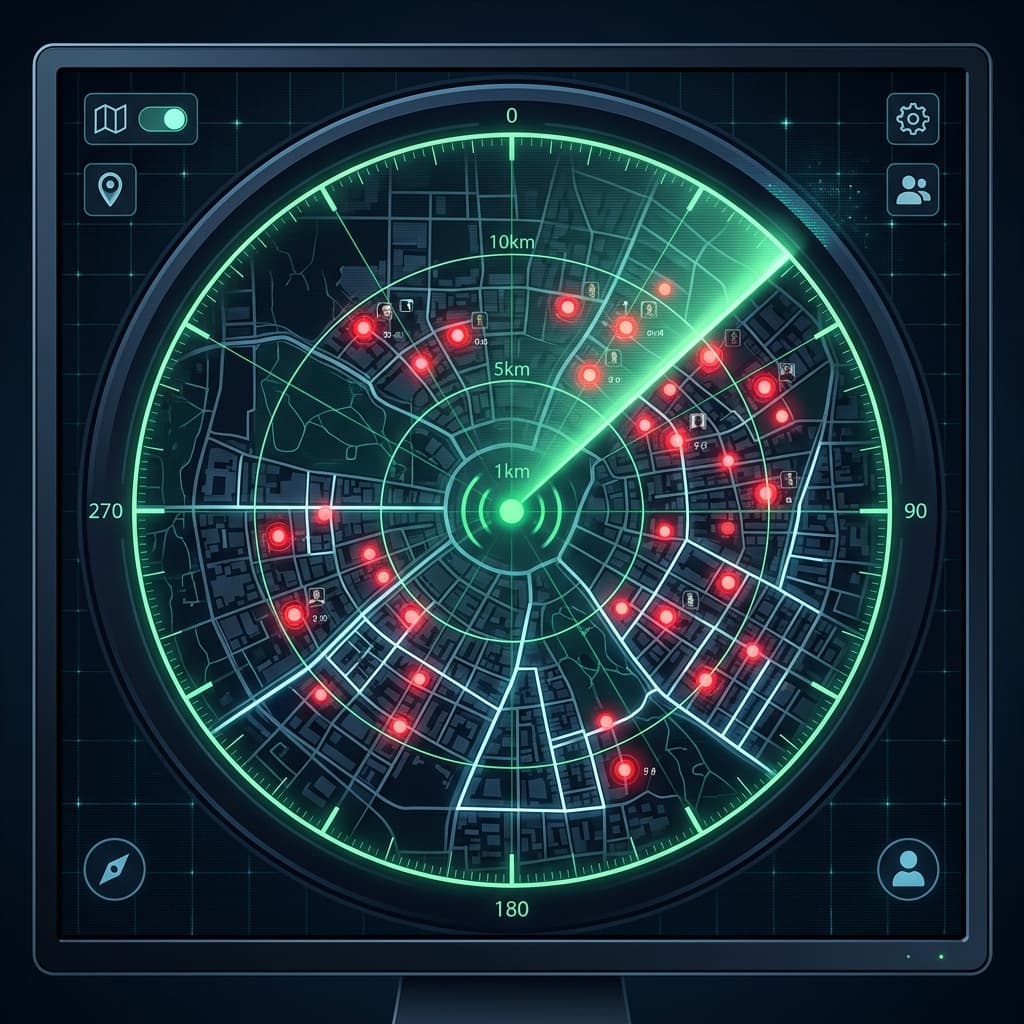
- Die Eingabe: Sie geben dem Suchtool den Vornamen Ihres Partners, das geschätzte Alter, das Geschlecht und den genauen geografischen Standort (einen Wischradius) ein, an dem er Ihrer Meinung nach aktiv sein könnte. Einige Versionen bieten auch eine „Betrüger-Gesichtssuche“ an, bei der Sie aufgefordert werden, ein Bild Ihres Partners hochzuladen.
- Die Abfrage: Die Software führt automatisierte Skripte für die öffentlich zugängliche Anwendungsprogrammierschnittstelle (API) von Tinder aus und fügt Ihre Parameter ein, um zu simulieren, dass ein Benutzer an dieser bestimmten Stelle wischt.
- Die Ausgabe: Das Tool kompiliert alle öffentlich sichtbaren Profile, die den lokalisierten Gesichtserkennungsfiltern oder Namens-/Altersparametern entsprechen, und sendet sie an Sie zurück.
Auch wenn dies effektiv klingt, handelt es sich dabei um eine stark lokalisierte, eng begrenzte Suchtechnik, die die umfassendere Realität moderner digitaler Untreue außer Acht lässt.
Die entscheidenden Einschränkungen von Einzelplattform-Cheater-Scannern
Wenn Sie einen Single-App-Scraper verwenden, um einen betrügerischen Ehepartner zu erwischen, operieren Sie mit einem riesigen blinden Fleck. Nachfolgend sind die wichtigsten technischen Einschränkungen von Tools wie Swindlerbuster aufgeführt.
1. Der Single-Network-Trugschluss
Das eklatanteste Problem bei Swipebuster, Swindlerbuster und Cheaterscanner ist ihr ausschließlicher Fokus auf Tinder. Wir leben in einer vielfältigen digitalen Landschaft. Wenn Ihr Partner versucht, seine Spuren zu verbergen, wechselt er möglicherweise von Mainstream-Apps wie Tinder zu Alternativen wie Hinge, Bumble, Badoo, Ashley Madison oder sogar versteckten Messaging-Foren.
Wenn Sie sich auf ein Tool verlassen, das nur Tinder scannt, erhalten Sie möglicherweise das Ergebnis „Kein Profil gefunden“ und gehen davon aus, dass Ihr Partner treu ist, während dieser aktiv auf einer völlig anderen Plattform Nachrichten sendet.
2. Die Standortfalle
Tinder arbeitet mit Nähe. Wenn Sie eine Suche durchführen, müssen Sie erraten, wohin Ihr Partner „wischt“.
- Was passiert, wenn sie eine GPS-Spoofing-App verwenden?
- Was passiert, wenn sie Tinder Passport verwenden, um Personen in einer Stadt zu finden, in die sie häufig geschäftlich reisen?
- Was ist, wenn sie in einem Vorort wohnen, die App aber nur in ihrem Büro in der Innenstadt öffnen? Wenn Ihr Suchkoordinatenradius ihren tatsächlichen digitalen Standort auch nur um ein paar Meilen verfehlt, kann der Scraper sie nicht finden.
3. Falsch positive Ergebnisse und der Fehler bei der Gesichtssuche
Die Funktion „Swindler Buster Face Search“ basiert auf einer rudimentären Bilderkennung. Leider weisen lokalisierte Gesichtserkennungsfilter eine notorisch hohe Falsch-Positiv-Rate auf. Möglicherweise erhalten Sie einen verschwommenen Screenshot von jemandem, der Ihrem Partner vage ähnelt, was zu einer verheerenden und völlig unbegründeten Konfrontation führt. Wenn Ihr Partner hingegen ein altes Foto verwendet oder eine Sonnenbrille in seinem Profil trägt, kann es sein, dass die KI ihn völlig übersieht.
4. Die psychologischen Kosten falsch positiver Ergebnisse
Es ist gefährlich, sich auf ein Tool mit einer hohen Fehlerquote zu verlassen. Wenn ein Einzel-App-Scanner ein falsches positives Ergebnis liefert – indem er das verschwommene Foto Ihres Partners mit einem Fremden abgleicht, der einigermaßen ähnlich aussieht – riskieren Sie, dass eine gesunde Beziehung aufgrund eines technischen Fehlers in die Luft gejagt wird. Auf der anderen Seite könnte das Erhalten eines „sauberen“ Ergebnisses von einem Single-App-Scraper Ihnen ein falsches Sicherheitsgefühl vermitteln, während Ihr Partner aktiv ein anderes Netzwerk nutzt. Echte Sicherheit erfordert eine definitive, objektive Prüfung ihres digitalen Fußabdrucks.
Wie CheatSpyder den toten Winkel beim Scannen einzelner Apps löst
Eine echte Untersuchung sollte sich nicht darauf verlassen, den Standort einer Person zu erraten oder eine einzelne Dating-App zu durchsuchen. Um endgültige Antworten zu erhalten, benötigen Sie eine umfassende Prüfung des digitalen Fußabdrucks.
Genau so revolutioniert CheatSpyder die digitale Verifizierung. Anstatt als einfacher Scraper für ein einzelnes Netzwerk zu fungieren, dient CheatSpyder als robustes Suchtool für öffentliche Registrierungen in mehreren Netzwerken.
Der CheatSpyder-Vorteil:
- Über 100 Netzwerke gleichzeitig gescannt: CheatSpyder scannt nicht nur Tinder. Es fragt öffentliche Registrierungsdatenbanken in Hunderten von Dating-Apps, sozialen Netzwerken und geheimen Foren ab.
- Datengesteuerte Eingaben: Anstatt einen physischen Standort zu erraten, verwendet CheatSpyder harte Daten. Durch Eingabe einer Telefonnummer oder E-Mail-Adresse verfolgt unser System die zugrunde liegenden Kontoregistrierungen, die mit dieser spezifischen Kontaktmethode verknüpft sind.
- Umgehung der Standortfalle: Da CheatSpyder die Registrierungsdatenbank und nicht den lokalisierten Swipe-Feed betrachtet, spielt es keine Rolle, ob Ihr Partner GPS-Spoofer oder Premium-Passfunktionen verwendet. Wenn die E-Mail in einem Netzwerk registriert ist, wird sie vom System gefunden.
- Vollständige Anonymität: Jede Suche ist vollständig verschlüsselt und nach Militärstandard sicher. Ihr Partner erhält niemals eine Benachrichtigung, dass Sie seinen Fußabdruck prüfen. Wenn Sie Untreue vermuten, sollten Sie sich nicht mit halben Sachen zufrieden geben. Ein Cheater-Scanner mit nur einer App liefert Ihnen vielleicht einen Teil des Puzzles, aber er wird Ihnen nie das ganze Bild liefern.
Häufig gestellte Fragen (FAQ)
Ist die Verwendung eines Tools wie Swipebuster illegal?
Nein, diese Tools sind nicht illegal. Sie erfassen öffentlich zugängliche Informationen, deren Weitergabe Benutzer bereits bei der Anmeldung bei Dating-Apps zugestimmt haben. Der Einsatz dieser Mittel zur Belästigung oder Verfolgung einer Person überschreitet jedoch rechtliche Grenzen. Sie sollten nur zur persönlichen Verifizierung und zur Feststellung der digitalen Wahrheit verwendet werden.
Benachrichtigt Swindlerbuster die gesuchte Person?
Im Allgemeinen benachrichtigen einfache API-Scraper das Ziel nicht, da sie passiv arbeiten. Wenn Sie jedoch versuchen, die „Proxy-Methode“ zu verwenden (das Erstellen eines gefälschten Kontos, um sie zu finden), besteht die Gefahr, dass Sie versehentlich darauf wischen und Ihre Absicht preisgeben. Professionelle Datenbanksuchen wie CheatSpyder sind 100 % anonym und sicher.
Kann ein Cheater-Scanner gelöschte Tinder-Konten finden?
Die meisten Single-Network-Scraper können nur aktive Live-Feeds anzeigen. Wenn ein Konto pausiert, gelöscht oder im Shadowban gesperrt wird, wird es nicht in einem Standard-Scrape angezeigt. Eine umfassende Prüfung des digitalen Fußabdrucks sucht nach historischen Registrierungsmarkierungen, die mit einer E-Mail verknüpft sind und manchmal frühere Aktivitäten aufdecken können, selbst wenn die App derzeit deinstalliert ist.
Hören Sie auf zu raten und überprüfen Sie sofort aktive Profile in über 100 Netzwerken
Cheatspyder Investigation Team
The CheatSpyder OSINT Research Group specializes in open-source intelligence, reverse image biometric search, dating platform architecture, and digital privacy verification. All investigative teardowns and technical guides are tested against active web protocols and peer-reviewed for algorithmic accuracy.
Run a Discreet Dating Profile Scan
Check Tinder, Bumble, Hinge, and other networks in under 3 minutes with AI.